 Skip to content
The historical evolution of gambling From ancient rituals to modern practices
Ancient Origins of Gambling
The origins of gambling can be traced back to ancient civilizations, where it often intertwined with religious practices and cultural rituals. Archaeological evidence from as far back as 3000 BC in Mesopotamia shows that dice were used in games of chance. These early forms of gambling were not merely about entertainment; they were often linked to divination and spiritual beliefs. Cultures such as the Greeks and Romans also had their own versions of betting, often incorporating games into religious festivals. As these traditions evolved, the appeal for platforms like mafiacasino has demonstrated a continuous interest in this ancient pastime.

In ancient China, gambling is thought to have begun around 2300 BC, with games like Keno emerging from this period. These activities were often a part of larger social gatherings and were used to reinforce community ties. The Chinese also developed the first known lottery, highlighting how gambling was a tool for both entertainment and civic funding. This blend of communal activity and chance established the foundational principles of gambling as we know it today.
As societies evolved, so did the methods and stakes involved in gambling. The invention of playing cards in the 9th century in China marked a significant shift. Cards provided a new format for games, allowing for strategic play rather than relying solely on chance. As gambling spread across Asia and into Europe, it transformed into various forms, reflecting regional customs and social norms. The evolution from simple dice games to card games illustrates the growing complexity and acceptance of gambling in human culture.
The Rise of Gambling in Europe
The Middle Ages saw gambling flourish in Europe, becoming a popular pastime among both nobility and commoners. During this time, games like backgammon and dice were commonly played in taverns, and gambling often included a social dimension that brought people together. By the 14th century, the establishment of betting houses in Italy marked a significant development, providing a dedicated space for placing wagers and laying the groundwork for organized gambling.
In the 16th century, the first modern lottery was established in France, which provided a structured way for the public to gamble while generating revenue for the state. This trend of government involvement in gambling grew, as authorities recognized the potential for taxation and funding public projects. As gambling became more organized, it also faced criticism; moral debates about its ethical implications emerged, reflecting a tension between pleasure and responsibility.
The 17th and 18th centuries brought innovations such as the establishment of casinos, which became cultural hubs for gambling. The Venetian Casino, founded in 1638, was one of the first to offer a wide range of games, drawing the elite and ordinary citizens alike. This period laid the groundwork for modern gambling practices by formalizing the casino experience, shifting from informal gatherings to structured environments where gaming became a prominent and accepted social activity.
Gambling in the Age of Modernization
The 19th century marked a significant turning point for gambling, particularly with the rise of the Industrial Revolution. Urbanization led to the creation of large public spaces where people could congregate, resulting in the emergence of racetracks and gambling halls. The establishment of laws regulating gambling also began during this period, with some countries seeking to curtail illegal betting while others embraced it as a legitimate form of entertainment.
Technological advancements further influenced gambling, with the introduction of mechanical slot machines in the late 19th century. These machines offered a simple yet exciting form of gambling that appealed to a broader audience. The ease of play and potential for big wins contributed to their popularity, paving the way for the modern casino industry. The combination of legal regulation and technological innovation during this era laid the groundwork for the global gambling landscape that we see today.
As the 20th century progressed, gambling continued to evolve, with the advent of online gambling in the late 1990s revolutionizing the industry. The internet created new opportunities for gaming, allowing players to gamble from the comfort of their own homes. Online platforms offered a vast array of games, connecting players worldwide and transforming the traditional gambling landscape into a digital frontier.
Current Trends and Future Outlook
Today, gambling is a global phenomenon that transcends cultures and borders. With advancements in technology, online gambling has become increasingly popular, providing users with unparalleled convenience and accessibility. Mobile apps have made it possible to gamble anywhere and anytime, catering to a new generation of players who prefer on-the-go gaming. The rise of live dealer games has also added an interactive element, combining the excitement of traditional casinos with the comfort of home.
Moreover, the integration of virtual reality and augmented reality in gambling is poised to redefine the gaming experience. These technologies promise immersive environments that mimic the thrill of physical casinos while offering unique features that can enhance player engagement. As the gaming landscape continues to evolve, regulatory frameworks will need to adapt to address issues such as responsible gambling and the protection of vulnerable players.
Looking ahead, trends such as cryptocurrency and blockchain technology are expected to influence the gambling industry significantly. These innovations can offer enhanced security, transparency, and faster transactions, appealing to a tech-savvy audience. As the gambling landscape adapts to changing preferences and technologies, it will be interesting to see how these elements converge to shape the future of gaming.
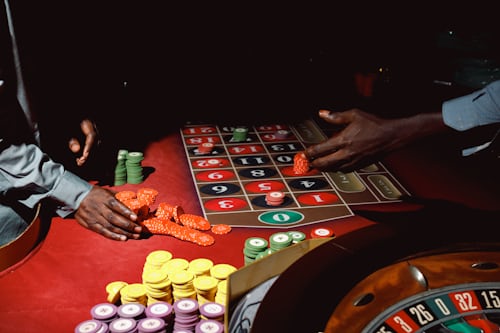
Discover the World of Modern Gambling
At Mafia Casino, we are at the forefront of the gambling revolution, offering an extensive range of online gaming options. Established in 2025, our platform features over 4,000 games, including slots, classic table games, and immersive live dealer experiences. Our user-friendly interface ensures that players can easily navigate through their options and find their favorite games.
New players can take advantage of our generous welcome bonuses, including a 100% match up to NZ$1,000 and 200 free spins. These promotions not only provide a fantastic start but also enhance the overall gaming experience. Our commitment to secure payments and fast withdrawals ensures that players can focus on enjoying their time with us, knowing their transactions are safe.