 Skip to content
For instance, if one partner invests in elaborate gifts but the other primarily needs verbal reassurance, both can feel frustrated despite genuine efforts. Specialized therapeutic approaches address specific conditions that affect relationship functioning. While love languages provide valuable insights for many relationship challenges, they have important limitations that require recognition and alternative approaches. Understanding when love languages reach their effectiveness boundaries helps you identify situations requiring additional tools, professional support, or different therapeutic interventions. Dialectical Behavior Therapy (DBT) skills for interpersonal effectiveness offer concrete strategies for relationship communication that complement love languages application. DBT’s emphasis on balancing relationship needs with self-respect provides useful guidance for implementing love languages without compromising personal boundaries or authentic expression.
In general, it’s important not to use love languages as a universal salve to remedy issues. It’s clear we need more skill sets than those in our tool kit to face problems that may exist below the surface of our relationship. Acts of service is the fourth love language, and this one will resonate if you believe with your heart of hearts that actions always speak louder than words. Obviously, the way you can and should touch others really comes down to the relationship you share.
According to the theory, conflicts or feelings of neglect often arise when partners are “speaking” different love languages. We discover the primary love language of our spouse, and we choose to speak it whether or not it is natural for us. If I know her primary love language and choose to speak it, her deepest emotional needs will be met, and she will feel secure in my love. If she does the same for me, my emotional needs are met and both of us live with a full tank. If your spouse’s primary love language is words of affirmation, your spoken praise and appreciation will fall like rain on parched soil. Before long, you will see new life sprouting in your marriage as your spouse responds to your words of love.
Understanding these complementary frameworks helps you recognize when love languages might be insufficient for addressing relationship challenges and when additional approaches or professional support might be beneficial. Gift-giving traditions vary enormously across cultures, influencing how Receiving Gifts functions as a love language. Understanding cultural gift-giving norms prevents misunderstandings and ensures gifts communicate intended messages of care. Family dynamics become more harmonious when all members understand each other’s appreciation preferences.
Another perk of love languages is that they not only work in our romantic relationships but also with friends, family, colleagues, and beyond. Love languages are relevant across diverse identities and relationship structures too, including LGBTQ+ folks, racially and religiously diverse communities, and multi-partner relationships. Especially among romantic partners, physical acts such as holding hands, snuggling, hello and goodbye kisses, and sexual intimacy play an important role in their emotional connection. Those who value this love language seek closeness and affection as a demonstration of love. While The Five Love Languages originated from clinical observation rather than large-scale empirical trials, subsequent studies provide partial validation. Egbert and Polk (2006) www.clippings.me/fanforus found that individuals who perceived their partners as aligning with their love language reported higher relationship satisfaction.
Developmental considerations significantly influence how love languages manifest in children. Toddlers might primarily need physical comfort and presence, while school-age children often appreciate verbal recognition of their efforts and achievements. Adolescents might value quality time that respects their growing independence while maintaining emotional connection. Young children often show clear preferences for specific forms of attention and affection. Some children seek constant verbal reassurance and praise, while others prefer physical comfort during distress.
Quality Time As A Love Language
For people whose love language is physical touch, expressing and receiving love through physical contact is important. During tension, people often revert to default love languages—speaking their own rather than the partner’s (Chapman, 1992). Coaches can help couples practice repair attempts consistent with the partner’s language. For instance, if the partner’s language is “Physical Touch,” offering a reassuring hand on the shoulder might deescalate conflict more effectively than a verbal apology alone (Gottman & Silver, 1999).
Acts Of Service: Demonstrating Love Through Action
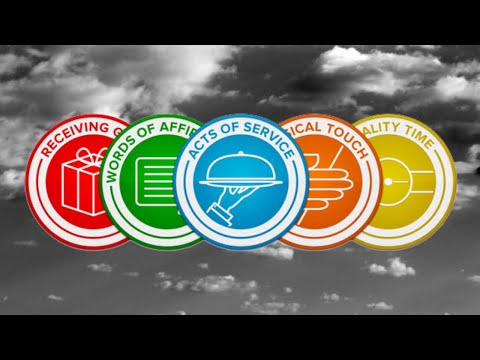
If you’d like to learn more about love languages, check out our in-depth interview with Sarah Schewitz, PsyD. Anger management therapy in NYC can incorporate love language education to reduce conflict and enhance empathy between partners. Working with a licensed therapist for depression in NYC or an ADHD specialist in NYC can also provide guided exploration, especially when emotional expression feels challenging or unclear. By understanding these differences, couples can better meet each other’s emotional needs—something a trained relationship therapist in New York City can help facilitate.
Research suggests love language preferences may be more fluid than originally proposed. Factors like stress, major life transitions, cultural exposure, and new relationships can influence how people prefer to give and receive affection. The Five Love Languages continues to offer valuable insights for relationship enhancement, despite recent research challenging its core assumptions about distinct preferences.
- The sentiment can be expressed verbally or in writing and is ideally repeated more than once.
- Grandparents might express love differently than parents, while adult siblings might have developed different appreciation preferences despite shared family backgrounds.
- Experts criticize this type of advice for prioritizing marriage preservation over individual well-being, potentially endangering victims by encouraging self-sacrifice to appease abusive partners.
Recognizing that people prefer different forms of appreciation and recognition helps create more inclusive and supportive community environments. Love languages concepts apply meaningfully to parent-child relationships, though children’s preferences may be less defined and more fluid than adult patterns. Understanding how children prefer to receive and express affection enhances emotional security and strengthens family bonds across different developmental stages. Successful application in romantic partnerships requires moving beyond the assumption that partners share similar emotional needs.
Understanding love languages also helps you tailor your words to what resonates most with your partner or loved ones. That’s where love languages come in.Not as a trend.Not as a cute personality quiz. You can say “I love you” every single day,buy gifts, send texts, show up —and still leave the other person feeling… unloved. Research shows providing someone with your undivided attention communicates you value them, which builds emotional intimacy and strengthens relationships. This language is about providing validation and acknowledgment, with research showing affirming words deepen trust and emotional intimacy.
It’s an excellent tool for navigating ethically non-monogamous relationships, too. Chapman’s Love Language Quiz is widely used, though mostly in informal contexts (Chapman, 2010). More academically oriented scales, such as the Love Languages Personal Profile, have shown moderate reliability but would benefit from further psychometric validation (Egbert & Polk, 2006).
2 Quality Time
Awareness of these cultural contexts is vital for coaches working with diverse populations (Berry, Poortinga, Breugelmans, Chasiotis, & Sam, 2011). The key to any healthy relationship, then, is identifying how you want to be loved. By adhering to these email etiquette guidelines, you can cultivate a culture of professionalism, clarity, and respect in your workplace communication. Remember that effective email communication is not just about conveying information—it’s also about building and maintaining positive relationships with your colleagues and stakeholders. With practice and mindfulness, you can harness the power of email to enhance productivity and collaboration in your professional endeavors.
To stay present, practice mindfulness by fully engaging in the moment with your partner.
For example, what feels like quality time or a meaningful gift in one culture might differ in another. Interestingly, female partners’ self-regulation efforts were particularly linked to higher relationship satisfaction for both partners, showing that loving intentionally and going beyond one’s natural style takes work but pays off. Self-regulation—the ability to adjust your behavior consciously – is crucial in love languages. Research by Egbert and Polk (2006) tested whether Chapman’s five love languages form clear, separate categories.
These include offering reassurances, being positive, openly sharing feelings, and dividing chores. Experts criticize this type of advice for prioritizing marriage preservation over individual well-being, potentially endangering victims by encouraging self-sacrifice to appease abusive partners. Chapman’s strong Christian background further narrows the theory’s applicability. Chapman is not a psychologist or therapist but a Baptist pastor whose religious values deeply permeate his relationship advice. Though the concept itself could apply universally, the original framing limits its accessibility and relevance for diverse relationships.
Long before an infant understands the meaning of the word love, he or she feels loved by physical touch. Whether you’re feeling disconnected from a partner, struggling to express your needs, or processing past relationship trauma, we’re here to help. Book an appointment today and start building relationships rooted in clarity, trust, and emotional fluency.
Each represents different ways people express and receive love, though recent research suggests most people value all five rather than having single preferences. The integration of attachment and love languages perspectives provides deeper understanding of relationship patterns. Romantic relationships provide the most commonly discussed application of love languages, where partners navigate the complex dynamics of emotional expression, intimacy, and long-term connection.